CultureHeritage
Offerings for the whale
Lễ hội Cầu Ngư
In fishing communities along the Khánh Hòa coast, the whale is honoured as a guardian of people at sea. The Cầu Ngư festival is when villages give thanks and pray for a good season.
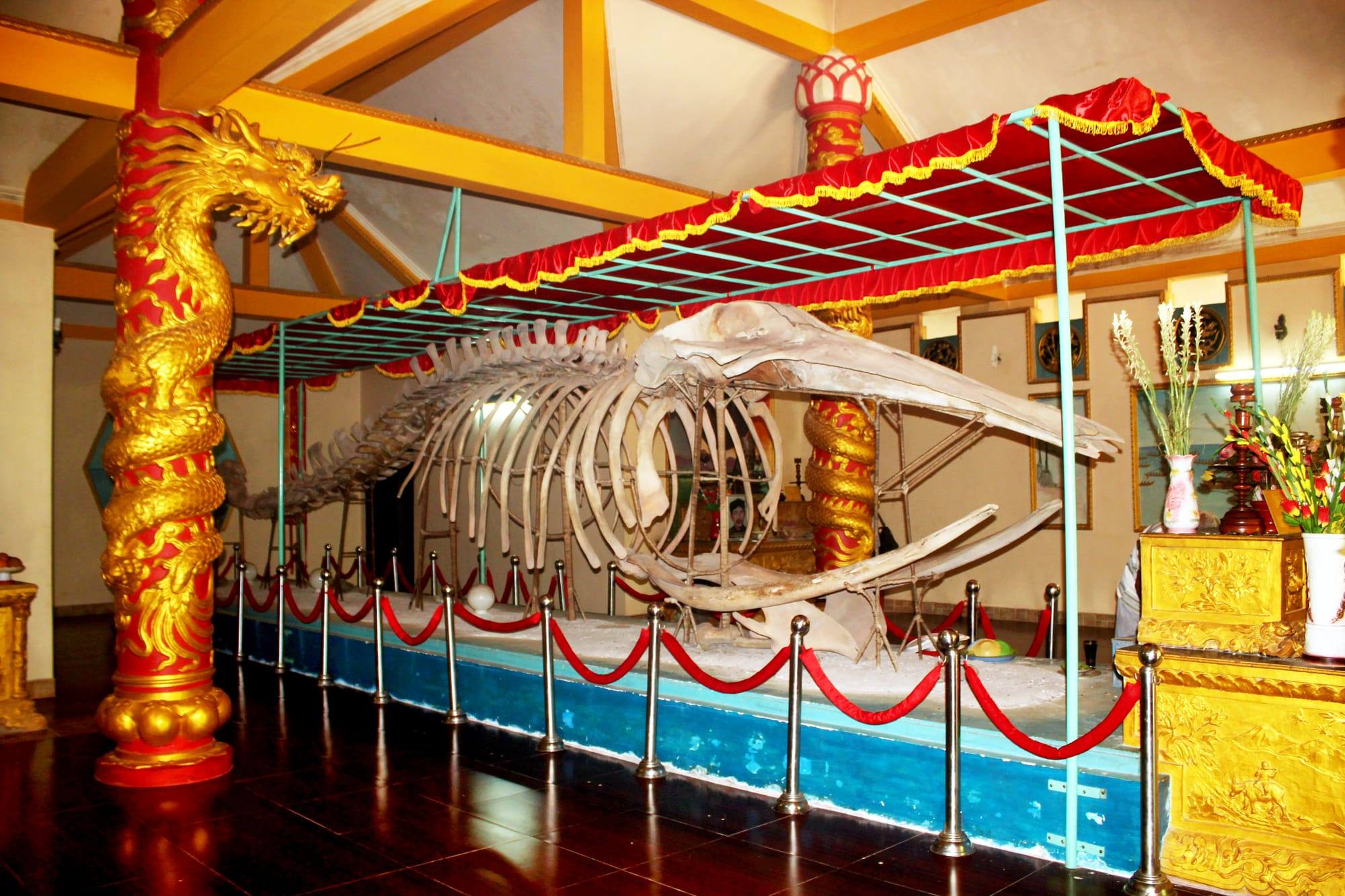
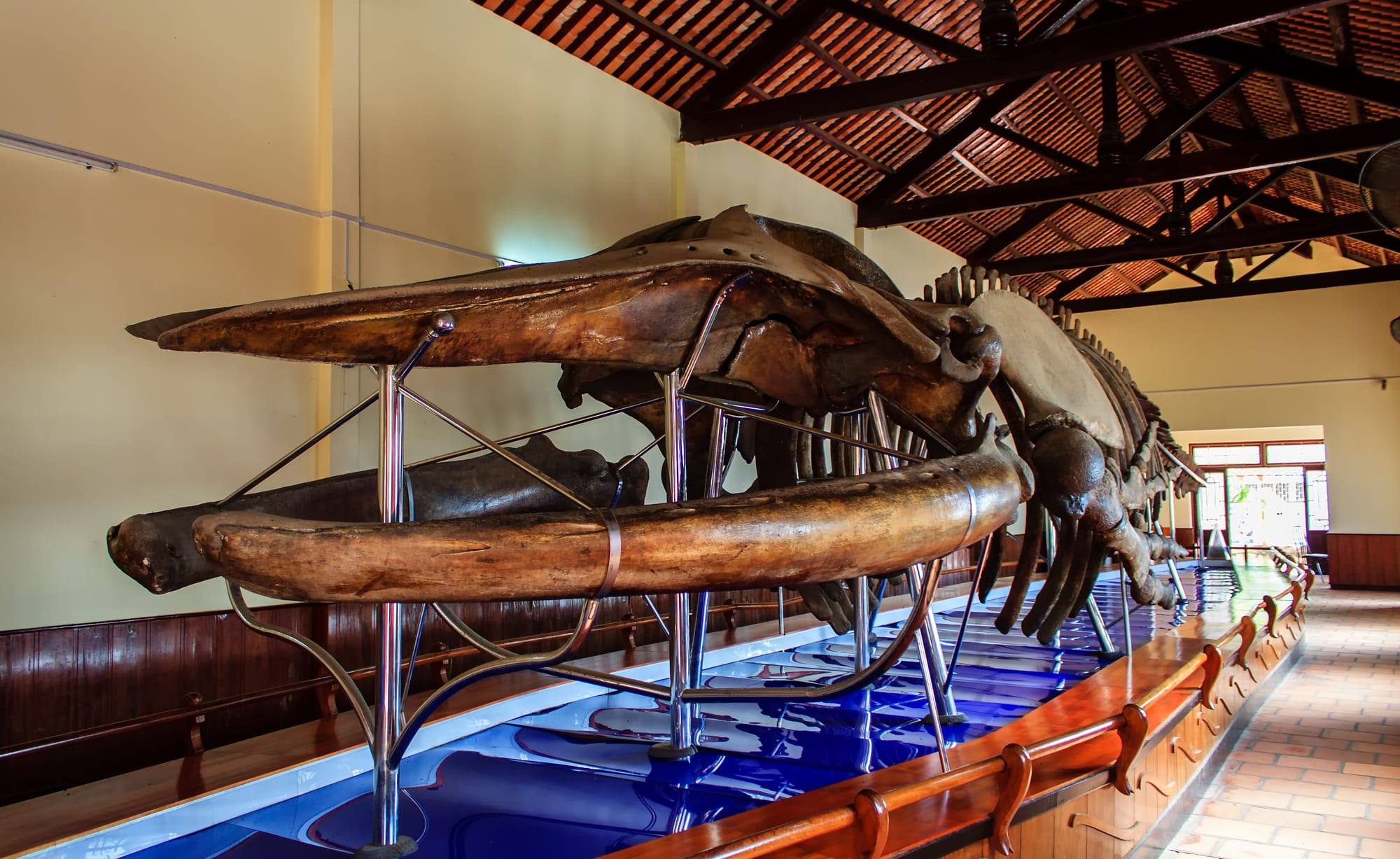
Along the central coast of Vietnam, many fishing communities share a belief that the whale watches over people at sea. Fishermen speak of whales guiding boats through storms or helping the drowning reach shore. When a whale is found dead on the beach, it is treated with great respect: buried with ceremony, and its bones often kept in a temple built for the purpose.
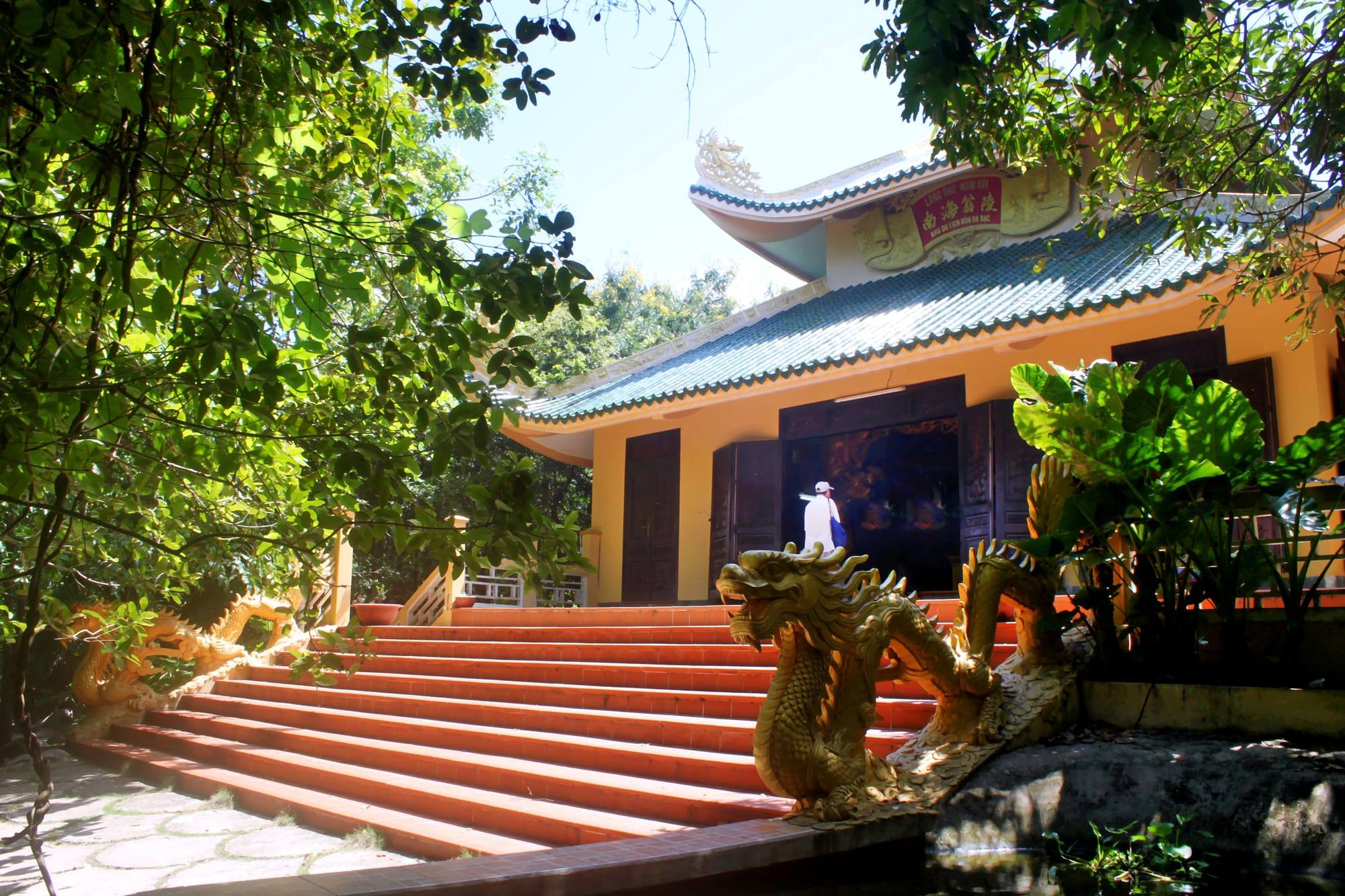
These temples are commonly known as Lăng Ông, the temple of the honoured one. You may pass one in a fishing quarter without noticing it. Inside, there may be altars, offerings and, in some temples, carefully kept whale bones.
The festival of praying for fish
Cầu Ngư means, roughly, praying for fish. It is the occasion when a fishing community gives thanks to the whale and asks for calm seas and a good catch in the year ahead. There is no single date for the whole coast. Each village holds its own festival, and the timing and form can differ from place to place.
A typical festival may include ceremonies at the whale temple led by village elders, offerings of food and incense, and processions that connect the temple with the sea. Many communities also stage traditional performances, including hát bả trạo, a form of rowing song and dance associated with whale worship in central Vietnam. Boats are often decorated, and the whole village takes part.
In a fishing village, the festival is a working calendar as much as a celebration: it marks the start of a season people’s incomes depend on.
Seeing it for yourself
Cầu Ngư festivals are community events rather than tourist shows, and they are not always advertised widely. If you are in Nha Trang during festival season, ask a local guide or your hosts whether a village nearby is holding one. Go with modest expectations and a respectful attitude, and you may be welcomed to watch.
Even without a festival, a quiet visit to a whale temple, with permission, says a lot about how closely life here is tied to the sea. It also explains why so many people in Nha Trang will tell you, half smiling and half serious, that the whale is the fisherman’s protector.
It is a reminder that the sea here is a source of food and income, and also of danger, and that the people who work on it have built traditions to live with both.
Sample editorial content. This article was written for the Just in Nha Trang demo. Opening hours, prices and practical details are deliberately general and will be checked on the ground before publication.
In pictures