CultureCraft & livelihood
Treasure from the island cliffs
Yến sào Khánh Hòa
Khánh Hòa is known across Vietnam for edible swiftlet nests gathered from caves on its offshore islands. The story of a delicacy built from bird saliva and very careful work.
Ask someone from elsewhere in Vietnam what Khánh Hòa is famous for, and beaches will come up. So, very often, will yến sào: the edible nests built by swiftlets in caves on the province’s offshore islands. They are one of the most valued foods in the region, and a gift people carry home with pride.
What a bird’s nest is
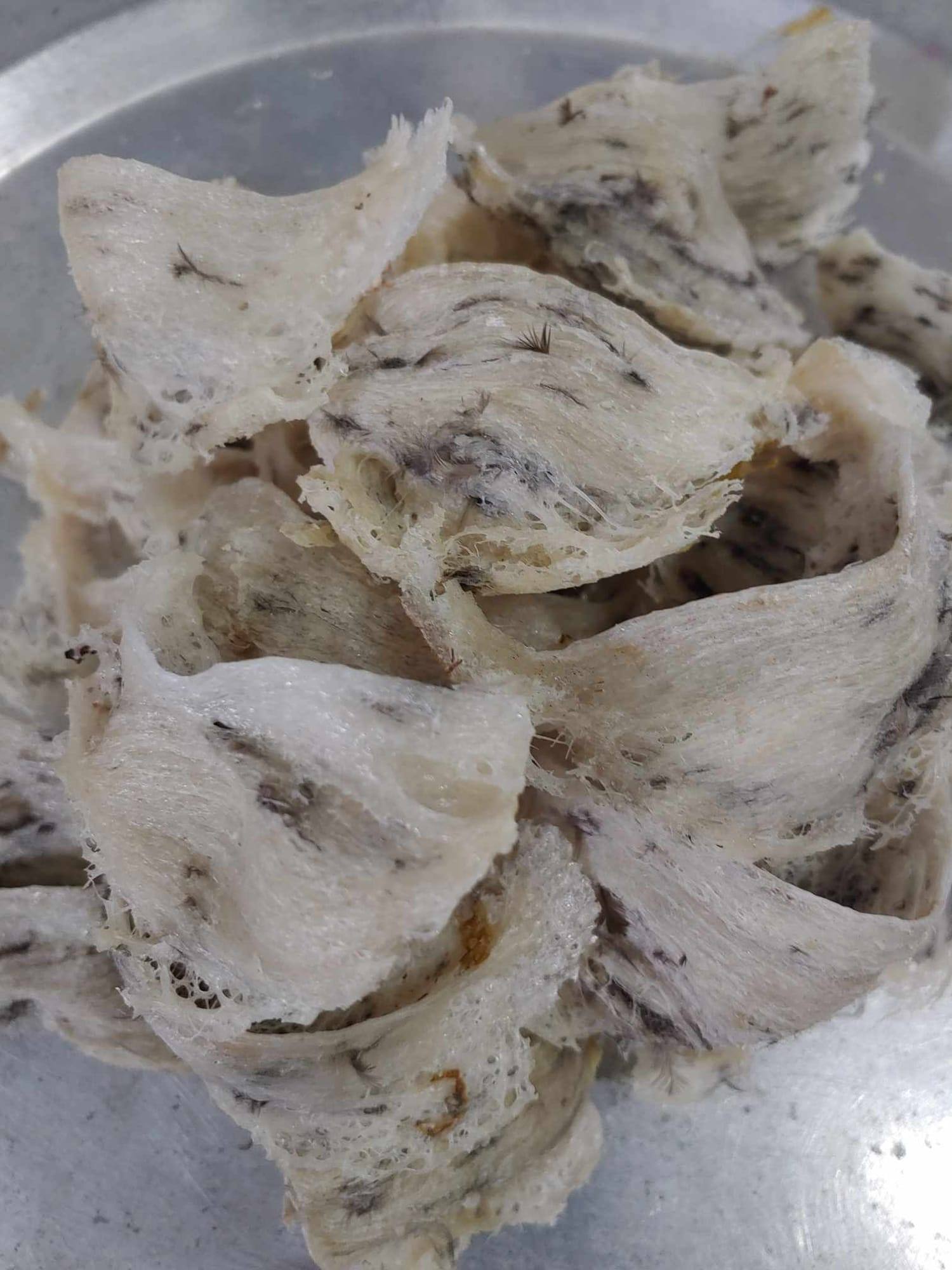
The nests are made by small swiftlets, which build them from their own saliva on the walls of caves and cliffs. The saliva hardens into a pale, cup-shaped nest. After harvesting, nests are soaked and cleaned by hand, a slow process of removing feathers and impurities with tweezers. What is left is prized for its delicate texture and is used mainly in soups and sweet dishes.
In Vietnamese and wider East Asian food traditions, bird’s nest has long been regarded as nourishing. We will leave the health claims to others. What anyone can appreciate is the amount of labour that goes into a small box of cleaned nests.
Islands, ropes and rules
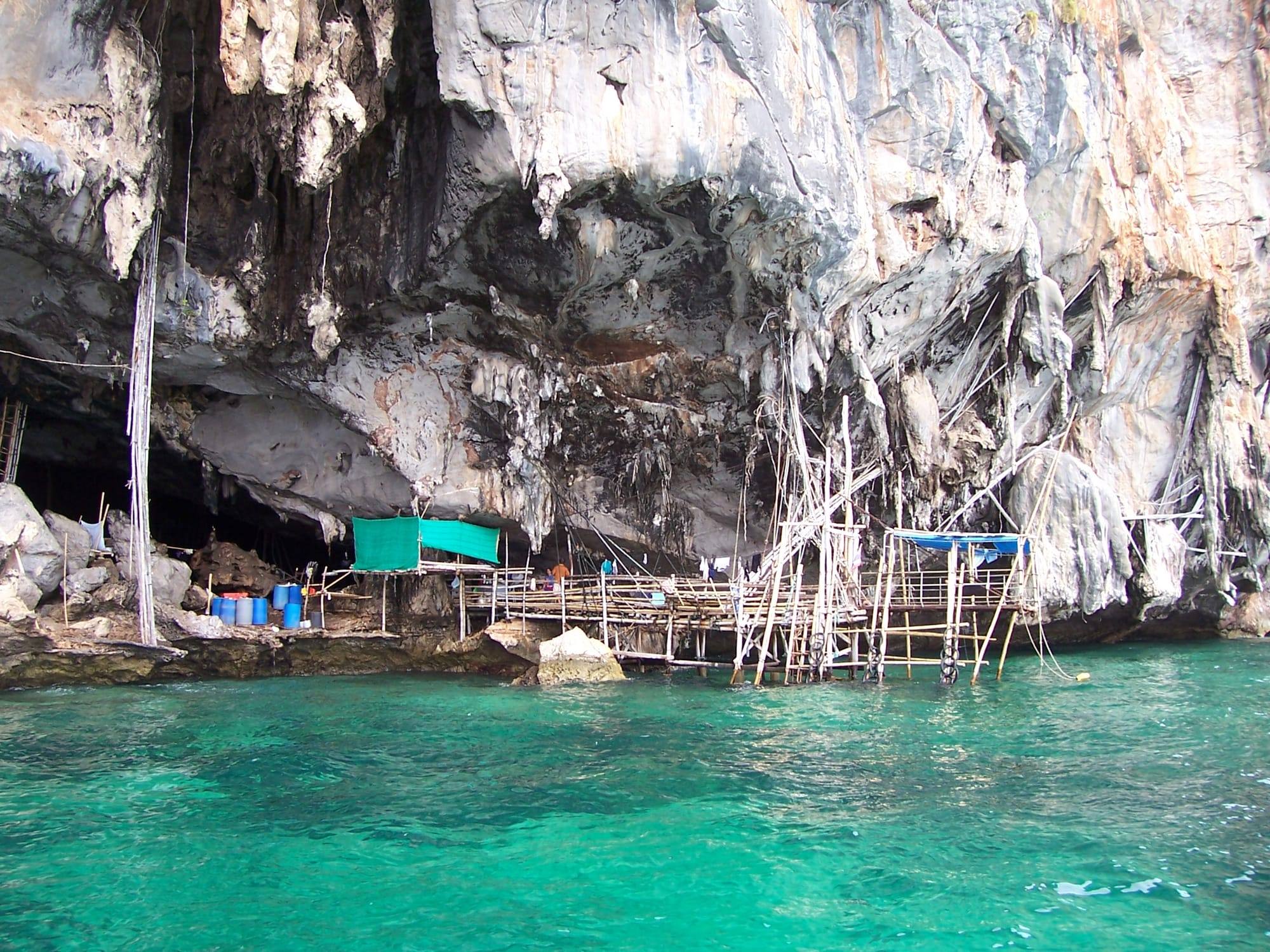
The natural nests of Khánh Hòa are found in caves on islands off the coast. Harvesting is managed by the state, and the islands are protected, so this is not something visitors can see up close. Historically, collecting nests meant climbing into sea caves and up rock walls, which is part of why the product carries such prestige.
A cleaned nest is a small, light thing. It is hard to hold one without thinking about the cliffs it came from.
In recent years, swiftlet houses on the mainland have also become common across Vietnam, producing nests in purpose-built buildings. You may notice these tall, windowless structures in some towns, with recorded bird calls playing to attract swiftlets.
Tasting and buying
In Nha Trang you will see bird’s nest products in many shops, from whole cleaned nests to ready-made drinks. The most traditional way to try it is chè yến, a light sweet soup. Quality and price vary a great deal, so buy from shops with proper labels and do not be shy about asking questions.
It is an unusual food with a long local story behind it, and for many people here, a source of real regional pride.
If you see a box of yến sào offered as a gift during your stay, take it as a compliment. In Khánh Hòa, it is one of the most thoughtful presents a host can give.
Sample editorial content. This article was written for the Just in Nha Trang demo. Opening hours, prices and practical details are deliberately general and will be checked on the ground before publication.
In pictures